
Top Tech Trends That Will Shape the Next Decade: Your Guide to Future Technology Trends
Rapid change feels normal, but future technology trends have started silently shaping how we live, work, and connect. Every year introduces something that redefines daily experiences for millions.
This matters because small tech advances today snowball into large-scale shifts for businesses, households, and entire industries. Knowing what’s ahead helps you act early, adapt quickly, and make better decisions.
Settle in and use this guide to forecast future technology trends. Walk through concrete steps and examples that help you turn knowledge into practical advantage this decade.
Spotting Early Signals: Signs That Tech Is About to Transform Your Routine
You’ll start noticing future technology trends by tracking changes in everyday apps, routines, or services. New habits form when fresh features solve real-life headaches.
If you catch yourself thinking, “This feels easier than last year,” odds are a specific future technology trend played a part. Let’s break down two examples and highlight what to watch for.
New Device Habits That Sneak Up on You
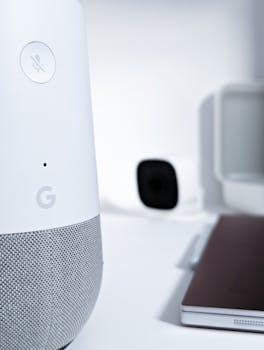
People instinctively ask their smart speaker for weather, timers, or reminders without planning to. This behavior shift signals future technology trends entering mainstream routines.
A wave of “predictive” features—like fridges that order groceries when you’re low—shows up in subtle ways. Notice how you now expect every device, even your band or lamp, to personalize your experience.
An easy ‘aha’ moment: If you’re surprised when a product doesn’t connect with others, a future technology trend has already raised your expectations for technology harmony at home or work.
Routines Businesses Upgrade First
Banks quietly rolled out facial recognition for app logins. Retail chains swapped static signs for digital price tags updating by the hour. Early future technology trend adopters test public responses.
Automation scripts handle appointment reminders, invoice checks, or late payment warnings. Companies track time saved and customer happiness to adjust rollouts. Regular reviews lock in cost efficiency and grow new value.
Spot new processes in your workplace—like digital onboarding or instant chatbots on the website. Try asking a manager where paper, waiting, or repetition could vanish next.
| Early Signal | Who Adopts It | Value Created | Actionable Takeaway |
|---|---|---|---|
| Smart reminders | Home, retail | Zero missed tasks | Test new devices that handle routine tasks automatically |
| Automated check-ins | Offices, health | No waiting lines | Set calendar events to trigger auto-updates for teams |
| AI-powered logins | Banks, apps | Faster, safer access | Activate multi-factor or biometric login everywhere possible |
| Smart pricing | Retail, e-commerce | Responsive offers | Track which stores update sales at least daily |
| IoT alerts | Industry, homes | Reduced downtime | Sign up for app alerts tied to sensors on key equipment |
Integrating AI and Automation in Daily Tasks: Real Steps for Seamless Adoption
You’ll see future technology trends impact daily routines by linking more tasks to smart systems that predict your needs, automate repetitive work, and suggest timely decisions.
Let’s focus on two settings: using AI at home for comfort and adopting automation at work to cut back on wasted time. Both reveal quick wins you can try.
Optimizing Your Home With Smart Automations
Smart thermostats adjust room temperature before you get home. The app syncs with your calendar and detects your commute so comfort greets you. Future technology trends make these conveniences standard.
Connect lights, music, and blinds to voice commands or routines. Try linking “Good Morning” to open the blinds, brew coffee, and start gentle music. This habit makes mornings smoother.
Update one automation at a time. Start simple by programming a single device to react to a calendar event. You’ll gain confidence and gradually combine more smart features over time.
- Set up app-driven routines for lights and appliances. This saves energy and offers peace of mind you can confirm from anywhere.
- Enable location-based reminders: when you’re near home, trigger grocery lists to pop up. Reduce forgotten errands for family harmony.
- Streamline family schedules by syncing smart speakers with everyone’s calendars. Fewer missed pickups or double-booking stress moments result.
- Use voice-controlled timers for cooking or homework. Hands stay free, and kids get reminders without feeling nagged.
- Test new security alerts—window sensors, smart locks—that notify you instantly if something’s amiss, no matter where you are.
For each list item, revisit automations after one week. Adjust what’s not working, then try adding a new device to your existing routines for future technology trends to deliver real change.
Automating Workflows for Small Teams
Teams can slash manual data entry by connecting forms, project trackers, and chat apps. For example, a status update on Trello sends automatic progress notes via Slack or Teams.
Automate meeting scheduling. Use a booking app that checks calendars and emails everyone a link. No more early-morning reply chains or overlapping invites.
Gain trust in new tools by piloting one small workflow. After two weeks, poll coworkers: Does the process feel easier, less error-prone, and more in sync?
- Connect team chat tools with shared project documents. The right info surfaces where it’s needed, reducing missed files or off-topic discussions.
- Create step-by-step guides inside the app for routine tasks so new hires or rotating staff start confidently, even if managers are away.
- Use AI writing assistants for internal memos or client notes. Guidelines remind everyone to review final drafts, but first drafts arrive 70 percent faster.
- Schedule daily summary emails for sales or support tickets. Real-time performance snapshots help everyone decide what matters most that day.
- Link help desk tools with knowledge bases. Quick answers mean fewer repeated questions and a less stressed support crew.
A review meeting every month identifies which automations save hours. Gradually expand to more teams—for example, adding automated contract renewals or invoice reminders as comfort grows with future technology trends.
New Ways Connectivity Will Organize Your Digital Life
Connecting new devices, apps, and sensors smoothly yields better access and richer data everywhere. Future technology trends create seamless environments tailored to you, not your device.
Pairing wearables, smart appliances, and secure cloud storage unlocks powerful new habits you can test today in both home and remote work settings.
Layering Devices for True Smart Living
Set your phone to control both home and office lights. Use a wearable as a password key for computers. This blended access cuts daily friction.
A friend logs workouts on a phone and sees health trends plotted over months on her kitchen screen. Tying apps together reveals insights impossible if each tool stayed isolated.
Try connecting a smart speaker and calendar, then program reminders to announce weather or appointments before daily commutes. Small steps bring future technology trends into regular use.
Shared Digital Spaces That Actually Work
Households set up shared photo banks, to-do lists, and reminders tied to everyone’s device. When Dad adds an event, everyone hears it announced.
Remote teams build “virtual offices” where status, calendars, and files update everywhere. No chasing down the right version or wondering who’s out sick today.
Delegate specific updates—“Alexa, add milk to the family grocery list”—to test out new digital routines that future technology trends fuel. Note which automations everyone uses, and repeat only those.
AI Grows Into Your Partner, Not Just a Tool
As future technology trends bring smarter AI, you’ll notice dialogs getting more conversational and suggestions more relevant to your actual behavior.
Over-automation risks frustration, but contextual AI improves by asking for feedback, just as a helpful peer would during a project or meeting.
Personalization Scripts for Everyday Tasks
AI can now draft personalized emails or suggest responses based on your style. Set preferences once, and the system refines tone or greeting for future messages.
Summarize long documents to highlight what matters. Click to expand only what’s relevant. Reading gets faster, but detail remains at your fingertips with less mental effort.
Voice assistants use routines and feedback triggers—such as, “This is urgent,” or “Save that for later”—to learn ideal times and formats for queries and reminders.
Feedback Loops Make AI Smarter
Tag mistakes in AI-generated drafts instead of rewriting everything. These corrections improve the tool’s quality in just a few sessions.
For teams, create a shared review step. Team members click “approve,” “edit,” or “discard.” Over a month, AI recommendations align closer to group style and context.
When AI gets things right—like reading your calendar to suggest good meeting slots—say “Thanks, good job.” Positive signals reinforce exactly what you want next time. Gradually, future technology trends work more like trusted coworkers.
Cybersecurity and Digital Privacy Strategies in a Hyper-Connected World
Building safe habits and using practical tools protects your accounts and digital footprint. These strategies turn future technology trends from worry points into strengths for every user.
Activate two-factor authentication on accounts you use for banking and shopping. Regularly review app permissions to minimize risks from future technology trends.
Protection Checklists That Outlast Device Lifespans
Preserve security by resetting shared device passwords every six months. Save login recovery info somewhere safe, not just on your main device.
Educate family or teammates about common scams—like fake “delivery notifications”—by practicing how to spot suspicious links and confirming with the real sender by phone.
- Set device passcodes that require a full-length password, not easy patterns. Strong passwords reduce chance of quick theft or unauthorized entry.
- Use privacy browser modes for shopping or bill paying. Less tracking means targeted ads won’t follow your entire device history.
- Delete unused app accounts to lower your digital exposure—review accounts every season and close those you haven’t touched since last year.
- Monitor financial and health app notifications closely—spam, double charges, or weird login attempts require your immediate response and password resets.
- Introduce family or teammates to password managers that generate and store strong, unique logins. Sharing accounts becomes safer and coordination feels effortless.
Staying one step ahead with these small habits supports your confidence as future technology trends create ever-smarter but also more vulnerable devices and networks.
Transformational Upgrades Coming to Remote Work and Digital Collaboration
Remote work is evolving from a video call workaround to global, parallel teams enabled by future technology trends in digital collaboration.
Two realistic scenarios highlight how these upgrades simplify or complicate teamwork, so you can decide what to try or avoid.
Scenario 1: Managing a Suddenly Global Project
A team in Dallas pushes project files to the cloud. Colleagues in Berlin add feedback while the US crew sleeps. The next morning, everyone in both cities sees one up-to-date dashboard.
Detailed role notes in-line in each doc replace lengthy hand-off emails. Instead of “What changed?” meetings, team members use color coding and instant chat threads for fast answers.
Daily “sync and share” calls move to recorded updates, freeing up calendars and letting latecomers catch up asynchronously. Adopting these practices ensures future technology trends produce smoother, not more chaotic, workdays.
Scenario 2: Preventing Collaboration Meltdown
A leader posts a new policy in the cloud. Nobody reads it, and teams continue following old rules, creating confusion. One-on-one nudge messages with quick action items fix the disconnect.
Staff flag points of confusion in the doc itself. Each edit request is tagged with who should answer it. Quick polls decide priorities, cutting endless “reply all” loops.
Repeat checks for clarity as teams cycle in and out. This habit, paired with careful rollout of new tech, lets everyone benefit from future technology trends without disrupting existing workflows.
The Practical Payoff: What Adapting to Future Tech Means for You
Everyday routines are mid-transformation thanks to future technology trends, from automation and AI to cloud collaboration tools and smart home systems.
Trying small steps with connected devices, secure habits, and collaborative apps helps you benefit early and adjust before any change becomes overwhelming.
As you continue, keep assessing which future technology trends serve your goals best. Thoughtful, regular tweaks to your tech setup ensure you always stay a step ahead and thrive.


