
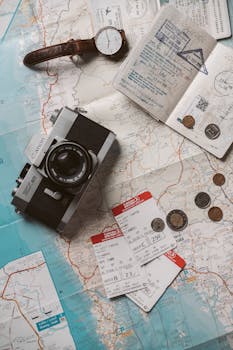
Imagine setting out on a trip that fits seamlessly into your daily routines and individual goals. That’s not luck—it’s possible through mindful travel planning lifestyle budget choices.
Travel means much more when your itinerary truly reflects who you are and what you can spend. Matching travel planning lifestyle budget needs empowers meaningful experiences over stress.
In this guide, you’ll uncover ways to build trips tailored to both your personal style and realistic budget. Read on to apply these steps to your next adventure.
Pinpointing Your True Travel Priorities Saves Time and Money
You’ll avoid wasted resources when you address your travel planning lifestyle budget head-on from the beginning. Start by clarifying your trip purpose and preferences early.
Define what “must-haves” matter for your travel planning lifestyle budget. For one person it may mean culinary tours, while another might seek outdoor activities or local crafts.
Assessing Your Non-Negotiables for the Upcoming Trip
Think about what feels absolutely essential: a quiet boutique hotel, guided site tours, or a focus on organic eateries. Prioritize these upfront in your travel planning lifestyle budget.
Ask yourself, “What would make this trip feel worth it—even if I did nothing else?” Write this down to anchor every other travel decision to your lifestyle and budget.
Avoid the trap of overfilling your days. Instead, build padding into your itinerary so that essentials get enough attention without crowding out time for rest.
Matching Destinations and Experiences With Actual Lifestyle Habits
Notice how your everyday preferences influence trip decisions. If you recharge solo, identify accommodations and routes that allow for alone time within your travel planning lifestyle budget.
If you’re energetic all day, find destinations with full schedules—museums, urban hikes, or group experiences. Make these preferences the foundation of your planning process.
Clarify if your dream trip is about learning, unwinding, or socializing. Choose experiences and places that connect with these goals so your travel planning lifestyle budget aligns.
| Priority | Example Activity | Sample Budget Range | Action Step |
|---|---|---|---|
| Food | Local cooking class | $30–$120 | Research regional cuisines and book ahead |
| Adventure | Guided hiking tour | $25–$200 | Align itinerary with fitness level and weather |
| Rest | Seaside hotel | $50–$250/night | Look for package deals early |
| Culture | Museum visits | $10–$35 | Prioritize ticketed sites on light days |
| Social | Group walking tour | $15–$60 | Check ratings and book for peak times |
Building a Realistic Budget: Steps, Tips, and Pitfalls to Avoid
Laying out numbers before you book anything guards against overspending. Sketch an initial travel planning lifestyle budget using averages for big-ticket items, then refine with destination-specific costs.
Review expenses by category—transport, accommodation, experiences, and meals. Estimate high for essentials so there’s breathing room if prices fluctuate in your travel planning lifestyle budget.
Setting Spending Limits Per Category
Break down your travel planning lifestyle budget into transport, lodging, food, and extras. Assign a strict cap for each—either per day or for the total trip—and adjust as you research.
- Collect current prices for flights and trains directly from provider apps. Use flexible search dates to spot deals that fit within your travel planning lifestyle budget.
- Adjust your daily food allocation by region—street food abroad may be less expensive, so shift those savings to attractions.
- Compare accommodation with side-by-side charting—city center vs. outskirts—to match safety, comfort, and your target spend.
- Set aside a “contingency fund” of at least 10% of your whole travel planning lifestyle budget. This cushions last-minute changes or splurges.
- Revisit your numbers weekly as bookings pile up. This keeps your actual spend closely aligned to the travel planning lifestyle budget you set initially.
Carefully review your planned bookings. If you’re unhappy with any category, swap out—or skip—activities to keep your travel planning lifestyle budget intact.
Tracking Expenditures Before and During Travel
Download a budgeting app or use a spreadsheet. Enter each receipt or booking confirmation right away to keep your travel planning lifestyle budget current.
- Record even small purchases like snacks instantly. Patterns emerge fast, helping you reallocate funds within your travel planning lifestyle budget if needed.
- Tag every purchase with a category (“Lunch,” “Tour,” “Taxi”) so it’s clear where to tighten up.
- Prompt travel companions to contribute their expense details as soon as possible. Collaborative tracking keeps group finances smooth.
- Stay alert for trends—if you’re going over in one area, counterbalance by reducing planned spend elsewhere in your travel planning lifestyle budget.
- Review each day’s record every evening. Pause and adjust the following day’s activities if you’re pacing ahead of budget.
Active tracking puts you in charge. Even a quick daily review brings peace of mind about your travel planning lifestyle budget before things veer off course.
Choosing Experiences That Actually Fit Your Personality and Wallet
The right activities make your trip energizing rather than draining. Use your preferred pace and interests to populate your travel planning lifestyle budget with rewarding options.
Adapting Daily Schedules for True Enjoyment
A slow traveler benefits from spacing key activities. For instance, you might limit outings to one guided tour and one local meal within a single day.
Someone craving stimulation might instead stack two museums and a cooking class—but substitute top-tier restaurants for street food to balance travel planning lifestyle budget limits.
Review your draft plan. Layer in flexible blocks: maybe a morning walk, followed by free time, then a ticketed evening event. This leaves room for new discoveries.
Evaluating Free Versus Paid Experiences
Don’t overlook excellent free experiences, like public art walks or open-air markets, when shaping your travel planning lifestyle budget.
Prioritize which “must-pay” items justify their price. For example, skip a pricey day tour if a self-guided hike gets you close to the same scenery.
See if local festivals or park events sync with your dates—many offer authentic fun at little or no added cost, helping stretch your travel planning lifestyle budget.
Blending Flexibility With Structure When Booking Transportation and Stays
By mixing fixed bookings with adaptable options, you’ll set both a stable foundation and space for spontaneity that respects your travel planning lifestyle budget.
Secure a core itinerary—main travel routes and first-night accommodations. Then leave gaps where you can decide based on discoveries or last-minute deals on each day.
Using Windowed Booking for Major Segments
Book nonrefundable tickets only for the most crucial routes: international flights or unique train trips that set your overall pace. These set the borders for your trip map.
Allow flexible arrival times for internal transfers. For buses or regional trains, favor options with multiple daily departures, so you’re not pressured by a rigid schedule.
- Identify what to lock in—high-demand hotels in small towns—by searching for dates when rooms sell out the fastest.
- Use the travel planning lifestyle budget to compare room types (dorm vs. single), location trade-offs, and available cancellation terms—pick the one aligning best with your style.
This method prevents missing out while keeping last-minute surprises within your travel planning lifestyle budget limits.
Adjusting Housing Choices to Your Needs
A solo traveler’s needs differ dramatically from those of a family. Tailor bookings: hostels fix costs for singles; whole-home rentals support privacy for groups.
Ask, “Would I feel comfortable running my morning routine here?” This gut check guarantees your travel planning lifestyle budget doesn’t squeeze what matters in daily life.
- Seek places with flexible check-in. This avoids stress for those traveling with unpredictable layovers or children.
- Probe for kitchens or laundry if staying long term to save money and preserve routines.
Pick lodgings that blend comfort, cost, and convenience, reinforcing your personal travel planning lifestyle budget priorities throughout the trip.
Syncing Daily Habits With Travel Routines for Maximum Comfort
Staying energized and focused when away from home means aligning routines with your travel planning lifestyle budget right from trip day one.
Your best travel days mirror daily rituals: coffee at sunrise, midday rest, or a regular exercise break, all supported by your planned schedule and spending limits.
Importing Personal Rituals Abroad
Pack a small item from home—tea sachets, a travel yoga mat—that signals routine. Block fifteen minutes each morning to regroup, stretch, or journal before heading out.
Mimic at-home mealtimes. If you usually snack mid-afternoon, note this in your itinerary and your travel planning lifestyle budget for quick stops at local bakeries or food stalls.
Use the first night to map out the nearest grocery, pharmacy, and market. These touchpoints set you up to maintain normal life despite a new setting.
Making Adjustments For Unfamiliar Environments
Notice which parts of your routine need tweaking. Perhaps lack of gym access means swapping in brisk walks, or limited chargers prompts a device-use schedule each night.
Communicate clearly with travel companions—”I’ll need a quiet hour before dinner”—to avoid friction over clashing schedules or preferences.
Monitor your energy near daily trip midpoints. If you feel drained, use your travel planning lifestyle budget to book a low-key afternoon break. This safeguards well-being for the rest of the journey.
Relying on Checklists and Tools to Simplify Planning and Spending Decisions
A clear checklist makes it easier both to prep before departure and shift gears while away. Tailor a toolkit to enforce your travel planning lifestyle budget day by day.
Build routines with physical or digital lists: packing, booking confirmations, daily plans, and reminders to check spending. Automation frees your headspace for experiences, not constant math.
Must-Have Items to Track and Simplify Travel Logistics
Prepare a primary checklist with essentials—passport, chargers, hotel proof, and travel insurance. Review each item 48 hours before departure, adjusting your plan to resolve any last-minute gaps.
Supplement with a “travel wallet”: reservation emails, backup payment card, and key reference contacts, both in print and digital formats.
- Set device reminders for hotel check-ins, activity start times, and expense reviews. This protects the structure of your travel planning lifestyle budget in real time.
- Share trip docs with a family member or friend. This adds security and promotes accountability on schedule and budget adherence.
Testing your organized system on a day trip first helps work out unexpected glitches before a longer adventure, keeping your travel planning lifestyle budget on track.
Creating a Template for All Future Trips Makes Each Planning Process Easier
Designing a repeatable template streamlines each stage of travel planning lifestyle budget management, reducing effort for future travels.
Store your favorite research sources, spreadsheets, and printable packing lists in a single folder. Update as you learn, so each trip plan gets faster and sharper.
Adjusting Your Template After Each Journey
After returning, rate which hotels, routes, and daily schedules matched your lifestyle and travel planning lifestyle budget.
Record brief “dos and don’ts” from the trip. For example: “Lunch in park—great save on both cash and time” or “Evenings best kept free for downtime.”
Update your travel planning lifestyle budget worksheet, raising future allocations for parts that felt strained, or cutting back where you overestimated spending needs.
Cementing What Works for Your Unique Needs
Notice patterns across travels—maybe swimming each morning made days smoother, or using cash cut down on spending. Add these as new template suggestions.
Share your blueprint with friends—compare notes on what enhanced their travel planning lifestyle budget too, and build a reference bank for future use.
This habit transforms travel planning lifestyle budget juggling from a struggle into a set of easy moves tailored to your style.
Bringing It All Together for a Personalized, Memorable Journey
Any worthwhile adventure begins by grounding travel plans in your own routines and means. Balancing lifestyle with travel planning lifestyle budget leads to stronger, more vibrant memories.
By keeping your daily habits and favorite experiences at the center, you ensure each trip reflects what makes you happiest—never forcing you to overspend or miss out.
Every new trip is a chance to refine your approach, deepen self-awareness, and explore the world in ways that feel fully authentic to you—all within your travel planning lifestyle budget goals.


