
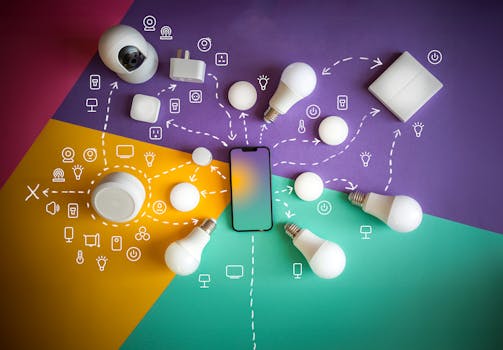
Most people hardly blink now when a fridge orders milk or a watch counts heartbeats. Everyday routines gradually adapt as smart devices daily life becomes the new norm in 2026.
Invisible to many, this technological shift touches everything—meals, work, health, or even a short walk. There’s comfort in the seamless blend, but also unexpected opportunities worth examining closely.
Let’s walk through the clever, subtle ways smart devices daily life shapes decisions, comfort, and productivity, so you can spot useful changes and decide what to welcome next.
Refining Mornings with Predictive Home Devices
Wake-up routines feel less stressful when smart devices daily life support gentle transitions from sleep to the tasks ahead, using prediction and automation tailored to your habits.
Coffee brews itself as window shades rise, triggered by your alarm and weather forecast. Fresh lighting greets you, synced with your calendar’s first meeting.
Routine Example: “Smart Start” Step Sequence
First, set a consistent alarm on your smart speaker. When it rings, it can turn on bathroom lights in a soft glow, setting mood for a calm morning.
Step two, program your smart plug to start the coffee machine five minutes before wake time. This small convenience lets you begin with comfort.
Finally, link your calendar to your smart mirror. When brushing your teeth, get a glance at your first tasks, so you know exactly what’s coming.
Scenario: Predictive Comfort for Every Family Member
You might hear, “Alexa, start Dad’s morning,” and the house instantly plays his favorite playlist, turns up the thermostat, and displays traffic on his commute screen.
Meanwhile, a child’s room lights up with a soft yellow as a gentle morning podcast begins, easing the transition from sleep. It uses individual habits and preferences.
By connecting preferences to profiles, smart devices daily life can personalize routines. Try building a routine script: “Morning: Lights 50%, News Brief, Brew, Weather.”
| Device | Primary Function | Typical Usage Time | Takeaway |
|---|---|---|---|
| Smart Speaker | Alarm, Announcements | 6:00–8:00 AM | Program verbal routines for seamless mornings |
| Smart Mirror | Calendar, Weather, Reminders | 7:00–8:30 AM | Sync with calendar to review tasks while prepping |
| Smart Plug | Automated Appliances | 6:30–9:00 AM | Schedule coffee or tea for stress-free starts |
| Thermostat | Climate Adjustment | 6:00–9:00 AM | Pre-set routines to wake to ideal comfort |
| Smart Lights | Adaptive Lighting | 5:30–8:00 AM | Pair lighting with alarms for gentle wake-ups |
Smart Devices Daily Life at Work: Streamlining Productivity
Get practical efficiency at the office or working from home by using smart devices daily life automations and reminders to stay on track, minimize interruptions, and organize priorities with clarity.
Set all meeting reminders to flash a color on your desk lamp, mute idle notifications, and prioritize messages using voice filtering, which keeps you focused and calm.
Voice Control: Automating Task Management for Teams
Tell your display, “Show team’s morning agenda.” Instantly, everyone sees tasks and delivery times. This helps groups sync priorities and adapt changes without missing a beat.
Delegate core tasks to voice AI: “Remind Bob to call after lunch.” The reminder pops to Bob’s phone, minimizing lag. Effortless Japanese-style morning standups emerge as a habit source.
- Create a team “Focus Mode” script, silencing all but urgent alerts, keeping meetings tight and delivering task lists after each call for clarity and follow-through.
- Set up auto-save for shared notes, ensuring nothing is lost from group discussions. This steady backup reduces anxiety for everyone involved.
- Trigger climate adjustments if the room feels stuffy, using “Alexa, adjust office temperature.” This removes a manual task and keeps comfort optimized.
- Set calendar blocks by voice: “Book 20 minutes for deep work at 2 PM.” With a simple phrase, your day is structured for output.
- Use device-activated coffee breaks to signal when it’s time to step away, avoiding burnout and promoting healthy work rhythms.
As you stack these efficiencies, your workload feels lighter and daily wins become easier to track. That’s the practical impact of smart devices daily life in modern productivity.
Security and Privacy: A Don’t-Miss Team Checklist
Regularly update device passwords using smart manager apps—you’ll notice fewer suspicious logins and fewer messages like “Update required for system access.”
Enable two-factor authentication on shared team devices. Smart badges pop up when new logins occur, giving the group quick oversight for peace of mind and compliance.
- Assign team members to review security logs every Friday, making sure everyone’s accountable for data safety and device use.
- Use smart lockouts during sensitive meetings, blocking external device access until sessions end, so you control privacy tightly.
- Download only verified apps from official stores using built-in browser prompts. This keeps devices secure from accidental downloads.
- Announce a “Security Minute” weekly reminder with your smart hub, prompting everyone to check their device status before weekend downtime.
- Back up crucial documents every day using a voice-activated cloud storage command. “Backup today’s notes”—and they’re secure from device failures or loss.
These steps ensure your workflow stays safe as you scale up device integrations. The smart devices daily life approach lets you strike a balance between convenience and responsibility.
Managing Health and Wellness with Smart Devices Daily Life
People now monitor and improve their well-being thanks to smart devices daily life features that track everything from blood pressure patterns to daily meditation reminders on wearables.
A parent may tell their fitness band, “Prompt me to stand every hour,” using automatic reminders to avoid sedentary habits, demonstrating smart devices daily life enhancing personal health.
Active Tracking: Customizing Wellness Feedback
Your watch can vibrate gently after a 60-minute stretch, using movement data to sense inactivity and suggest a walk—no lectures, just a private nudge based on your day.
Some users add a hydration reminder to their lunch routine. A single buzz every two hours boosts daily water intake, leveraging smart devices daily life for subtle, lasting behavior tweaks.
Syncing well-being data to a family’s shared dashboard turns self-care into a team effort. Noticing when someone meets a new goal? Congratulate them, reinforcing healthy habits as a group.
Mental Health: Smart Devices Supporting Self-Awareness
Meditation apps run on smart speakers, gently lowering room lights when sessions start. This habit cue blends personal wellness routines right into your living space.
During rough days, mood logs can prompt journaling or a five-minute breathing exercise. With precise, non-intrusive reminders, smart devices daily life support private self-care choices.
Voice-activated “focus playlists” can trigger relaxing sounds when you say, “Let’s do a calm session now.” Over time, stress and anxiety cues shrink as healthy routines build in small steps.
Navigating Daily Schedules with Intelligent Automation
Achieve time savings by automating chores, errands, and routines, letting smart devices daily life adjust schedules, and respond to changing needs throughout each day.
Link your calendar to a smart home hub and instantly receive reminders about chore days, supply restocks, and doctor appointments right where you glance the most.
Scenario: Family Calendar Coordination in Action
A shared smart display lists dinner menus, activity nights, and even trash pickup. Each member checks the hub before leaving, and nobody texts last-minute questions about busy plans.
To-do lists transform into action lists. When you say, “Add grocery pickup,” your device pings a reminder an hour before driving home, making it almost impossible to forget.
Specific commands like, “Reschedule the dentist for next Thursday at 3 PM,” update everyone’s calendar within seconds, demonstrating smart devices daily life reducing miscommunication in the home.
Smart Alerts: Avoiding Overlaps and Missed Tasks
Real-time location tracking lets your device remind you to grab laundry when approaching home. The alert says, “Laundry’s ready—pick it up before dinner.”
Devices can prioritize time-sensitive tasks by changing alert tones or screen colors, so you recognize a carpool alert faster than a less urgent reminder.
By adjusting these cues, smart devices daily life enables a smoother day, reducing brain clutter and helping you focus on what matters most moment to moment.
Creating Safer, Greener Homes with Smart Devices Daily Life
Home environments benefit when smart devices daily life monitor air quality, energy use, and home security, leading to lower bills and a heightened sense of safety for every resident.
For example, smart plugs can turn off unused appliances, reducing waste. Immediate alerts about air pollution prompt window closure or an air purifier boost, with zero effort required.
Energy Efficiency: Small Moves, Big Impact
Install a connected energy meter to track every appliance. On the dashboard, see which ones “spike” and program auto-shutdowns, saving both money and electricity every month.
Smart lighting schedules keep empty rooms dark, and sensors adapt according to daylight, making your home responsive to every shift in the sun or cloud.
Program device routines around your work hours—smart devices daily life then cut utility waste and help keep bills predictable, without you managing switches manually.
Safety Monitoring: Real-Time Intervention Scripts
Set “Vacation Mode” on your home hub, which cycles lights, and sends a “Motion detected” alert to your phone if a door opens, discouraging intrusions even when away.
Test monthly by using, “Quiet security status,” to hear if all locks and sensors operate correctly, assuring families of safety without hassle or expensive service checks.
Make safety routines a shared family script: everyone learns to say, “Engage night mode before bed,” which activates cameras, alarms, and checks all windows digitally.
Redefining Social Connections and Entertainment with Smart Devices
Smart devices daily life brings families together over streaming games, syncs movie nights seamlessly, and keeps distant friends chatting through virtual dinner parties—all with a voice command or tap.
Automate recurring catch-ups: “Schedule monthly call with Joe,” which blends seamlessly into everyone’s calendar, ensuring nobody falls out of touch, even when busy routines collide.
- Start a shared playlist for virtual workouts, syncing everyone’s music so you can exercise together, even from miles apart, for stronger motivation and social bonds.
- Use smart cameras to join book clubs or trivia nights—from the living room, anyone can connect to group video chats and share the experience instantly, despite different schedules.
- Queue up a movie and have lights dim, curtains close, and the popcorn maker switch on, turning an ordinary Friday evening into a private theater event.
- Install guest voice profiles for relatives; when Grandma says, “Let’s play music,” her favorites play. This makes visitors feel instantly welcomed and part of the family network.
- Set “Quiet Time” commands after dinner to lower background noise, ensuring everyone enjoys focused conversations or relaxation without conflicting demands from devices.
With this approach, smart devices daily life supports both shared joy and individual downtime, helping people stay close even as routines differ or locations shift.
Connected Living: Smart Devices Daily Life as Personal Assistant
Picture always-on support—a digital butler automates tedious chores, orchestrates schedules, answers questions, and helps everyone thrive, thanks to smart devices daily life strategies that blend smoothly across every routine.
Micromanagement Gets Easier: Command Scripts for Routine Tasks
Create “Evening Reset” routines to dim lights, activate dishwasher, and lock doors with a single command. No step is forgotten and routines become relaxing instead of stressful.
Run audit scripts: “Check open windows.” In seconds, your device lists any unlocked entries, prompting action. This daily micro-process builds calm and routine adherence for households large or small.
Pre-set shopping and cleaning checklists, then run “Review household chores.” Each voice response supports group effort, saving reminder arguments and splitting work fairly.
Instant Answers: Everyday Language, Reliable Responses
Say, “What’s the fastest way to the store?” and your device checks live traffic, finding the best route. No more aimless searching before every outing.
Curious about lunch? Ask, “Suggest a healthy recipe using mushrooms.” Smart devices daily life returns three options, sorted by cooking time, so dinner decisions become simple and swift.
This hands-off style means no more information overload. Snap questions get helpful, clear responses, letting people focus on action, not endless online searching.
Balancing Convenience and Control with Smart Devices Daily Life
Smart devices daily life offer unmatched personalization—yet with every device, there’s a need to adjust settings regularly, monitoring privacy, access, and automation limits for optimal benefits.
The best approach is to set clear device routines, regularly check permissions, and periodically reset passwords so convenience never risks oversight, stress, or loss of control.
Scheduling weekly device audits helps you spot forgotten automations, reminders that no longer fit, or old devices still sharing data with the network by mistake.
Treat each new automation as a mini-experiment. After a week, review whether it actually reduced stress or added confusion—then tweak or delete as needed.
From home to health to entertainment, smart devices daily life provide time-saving support, but thoughtful management ensures those gains remain secure, helpful, and enjoyable year after year.


