
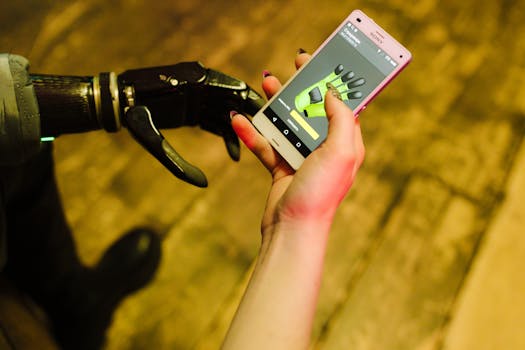
Seeing someone swipe, scroll, and tap their smartphone at a coffee shop feels as normal as hearing a barista call out orders. These devices shape our daily routines.
The future of smartphones draws attention because technology keeps shifting under our feet. What started as simple calling tools now feels like mini-computers, packed with surprises in every update.
Skimming this article, you’ll discover actionable insights about the rapid evolution, upcoming features, and new habits that will shape how the future of smartphones unfolds.
Why Every Recent Update Signals a Long-Term Change
Tracking software changes reveals patterns the average user can act on today. The future of smartphones emerges from these specific, observable shifts over time.
Every update leaves a mark on routines, preferences, and device lifecycles. You can observe these outcomes and decide what to change or keep in your mobile habits next week.
Shorter Gaps Between Feature Launches Shape User Habits
A few years ago, new features appeared annually. Now, updates happen every other month, mixing excitement with pressure to keep up in the future of smartphones.
This compressed timeline means those delaying updates risk missing new security features and integrations. People who install early thrive with streamlined workflows.
Adopt a simple approach: Install updates within 24 hours. If issues appear, roll back or request support right away rather than waiting.
Hardware and Software Collaboration Drives Seamless Everyday Performance
Manufacturers finally realized that a powerful camera means little without smart image processing. You’ll now find hardware and software tuned for the same goal in the future of smartphones.
For example, open a new photo app. If it launches instantly and offers creative effects without lag, that’s tight collaboration at play.
Any camera lag or blurry results? Check for software updates or switch apps—hardware alone won’t fix poor backend integration moving forward.
| Year | Signature Smartphone Feature | Impact on User Habit | What To Do Now |
|---|---|---|---|
| 2010 | Multi-Touch Screens | Pinch, swipe, and tap became everyday actions | Start using gestures for smoother navigation |
| 2012 | Voice Assistants | Hands-free commands entered the mainstream | Set up voice shortcuts for faster access |
| 2016 | Dual Cameras | Users shifted to creative photography | Experiment with portrait or wide-angle modes |
| 2020 | 5G Connectivity | Streaming and remote work became effortless | Switch to 5G plans where available |
| 2024 | AI-Powered Personalization | Features adapt to individual routines automatically | Check privacy settings for tailored experiences |
Automation Scripts Can Eliminate Repetitive Phone Tasks
The future of smartphones increasingly includes built-in automation that any user can activate—no coding required. You can cut hours of weekly friction with simple tweaks.
Pre-made scripts, once reserved for techie circles, are now mainstream and accessible. Tap into these time-savers to reclaim attention for more meaningful interactions.
Create Routines with Smart Triggers
Smart triggers let you automate common behaviors like silencing calls during meetings or dimming lights when launching your favorite movie app.
Open your phone’s automation panel; choose a trigger like “connect to Wi-Fi at home” then select the action, such as opening a smart home app or reducing notifications.
- Set calendar-driven alarms for daily medication. With one click, your future of smartphones can remind you, log your habit, and silence until tomorrow—simple, effective, and reliable every time.
- Auto-reply to messages at work. Create a script to send pre-approved texts when you’re busy, so contacts get instant answers while respecting your focus hours.
- Change wallpaper based on the weather. This subtle feature signals outdoor plans and keeps your home screen fresh without extra steps beyond setup.
- Launch podcasts when your car connects. Tie Bluetooth triggers to auto-open your favorite app. Smart sequencing feels like “set and forget,” freeing up brainpower for the commute.
- Turn on Do Not Disturb for sleep. Link it to a nightly charging schedule—now your phone enforces boundaries, giving you restful nights and sharper mornings by default.
Experiment with one automation this week, then adjust settings if it gets in the way. Treat automations as living tools—change them as routines shift in your daily life.
Upgrade Productivity Tools with Next-Gen Widgets
Advanced widgets offer lasting improvements to efficiency in the future of smartphones. Try swapping out old apps for new, customizable widgets that surface the right information on your home screen instantly.
Long-press an empty area, add a smart widget to your screen, and configure glanceable views like battery, upcoming meetings, or fitness activity for fewer taps each day.
- Track expenses from your home screen. Select a finance widget that refreshes live, uses secure links, and eliminates the need to open full apps for quick budget checks.
- Pin navigation info for commutes. Widgets with live maps update routes while you’re prepping to leave, removing decision stress from your morning transitions.
- Resize weather and news tiles. Adjusting their size surfaces only key headlines instead of clutter, streamlining screen space without sacrificing situational awareness.
- Cycle through music playlists directly. Innovative widgets support playback control, letting you skip or repeat, reducing app-switching and helping you focus on what’s important now.
- Monitor screen time with a single glance. Choose a digital wellbeing widget that logs unlocks and usage; use insights to tweak distractions and find balance over time.
Replace one standard app icon with a dynamic widget this weekend. Evaluate whether the home screen feels lighter and adapt placement based on your evolving needs.
Biometric Authentication Sets New Everyday Security Standards
Security upgrades only matter if you use them right away. The future of smartphones relies on biometrics that make unlocking safer and faster while adapting to each individual.
Facial Recognition for Effortless Access
Set up face unlock on your device for smooth access. When you glance at your screen, the phone unlocks, reading fine details to boost privacy in real time.
This technology continuously improves, learning changes in your appearance. For example, glasses or new hairstyles won’t trip up most systems after a week of use.
Enable auto-lock after moments of inactivity. If your device senses an unfamiliar face, pair face unlock with backup PINs for an extra layer within the future of smartphones.
Physical Actions Strengthen Biometric Security
Fingerprint sensors are now integrated into screens—press and hold briefly for a seamless experience. This subtle move adds an intentional check before granting access to sensitive apps.
Combine fingerprint, facial, and behavioral cues for robust identity protection. The phone learns unique tap rhythms or walking patterns, making casual snooping harder as smartphones evolve.
Always set up fallback methods, like PINs only you know, as biometrics still depend on context. Check your device’s security settings and add multiple layers this week for peace of mind.
Reflecting on the Next Steps in Smartphone Evolution
The steady adoption of smart automation, advanced biometrics, and collaborative hardware brings concrete shifts in how the future of smartphones integrates with daily rituals everywhere.
Staying aware of automation tools, regularly updating security preferences, and testing new customizations positions you to benefit from every improvement the future of smartphones brings this year and beyond.
Every small shift in settings or habits today nudges your experience forward. Make the future of smartphones a reality by acting on just one innovation from this article this week.


